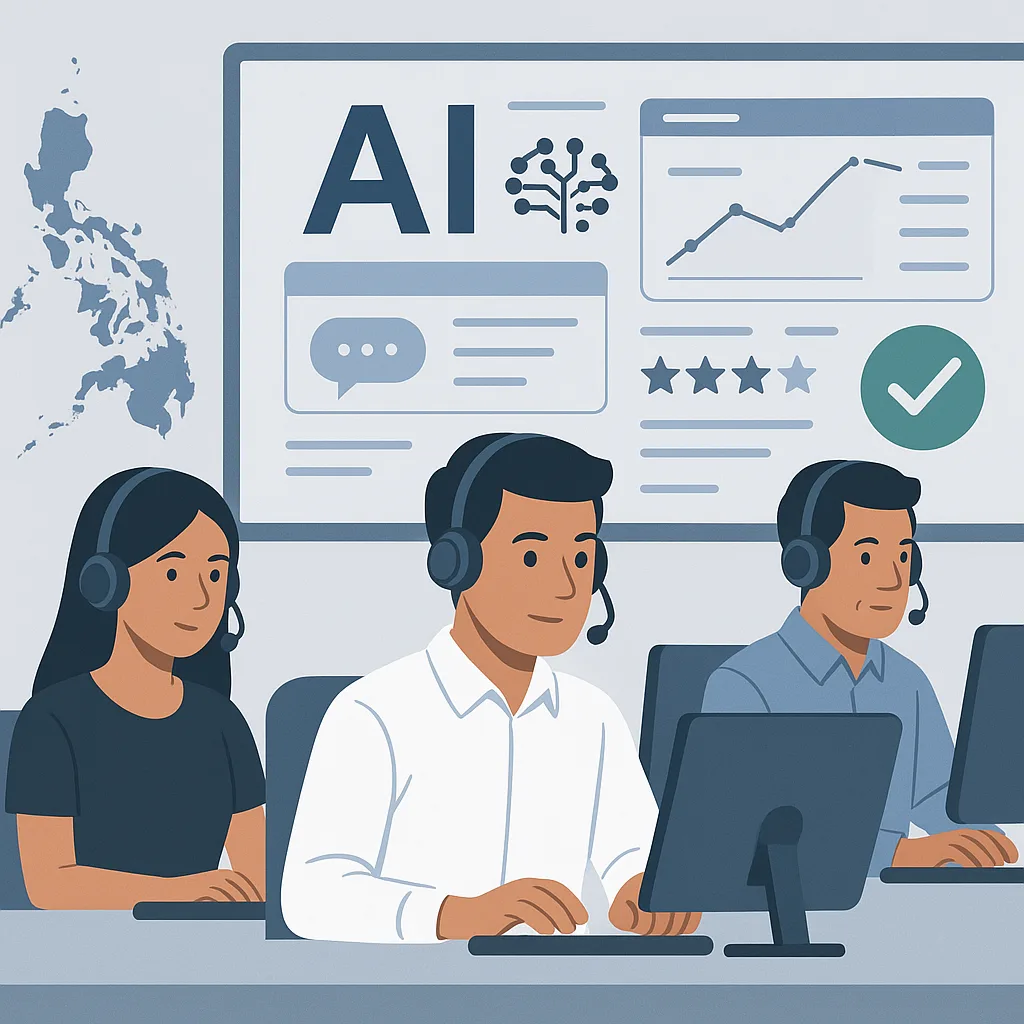
Staging Publish Status Verification for AI Call Center QA in the Philippines
As AI transforms call center operations, IT managers in the Philippines face new challenges in maintaining quality assurance (QA) and operational integrity. One critical process that safeguards application reliability is staging publish status verification. In this article, we'll examine why this step is essential for AI-driven call center QA, discuss best practices, and outline actionable steps to ensure smooth deployments and compliance.
Understanding Staging Publish Status Verification
Staging publish status verification is the systematic process of checking updates, configurations, and AI models in a non-production environment before releasing them to live systems. This method ensures new features, bug fixes, or AI model updates do not disrupt call center operations or compromise data integrity.
The Role of AI in Call Center QA
Modern call centers in the Philippines increasingly rely on AI for automating quality assurance. AI-powered QA tools analyze call recordings, flag compliance issues, and score agent performance at scale. However, the complexity of these systems means that even minor changes can have significant operational impacts. Staging and verification are critical to mitigate risks and maintain service excellence.
Key Benefits for IT Managers
- Risk Mitigation: By verifying changes in staging, IT teams catch errors before they affect customer interactions.
- Compliance Assurance: Staging environments allow for GDPR, PCI-DSS, and local data privacy law checks, ensuring AI QA processes align with regulatory standards in the Philippines.
- Performance Validation: Verification ensures new AI models perform as expected, maintaining or improving QA accuracy.
- Reduced Downtime: Systematic checks in a staging environment minimize unplanned outages during deployment.
Best Practices for Staging Publish Status Verification
- Maintain Environment Parity: Replicate production settings, data structures, and integrations in the staging environment to ensure accurate results.
- Automate Testing: Use automated test suites to validate AI workflows, scoring algorithms, and user interfaces. Automation accelerates verification and ensures consistent outcomes.
- Integrate Status Dashboards: Implement dashboards to monitor publish status, error logs, and deployment readiness in real time.
- Role-Based Access Controls: Limit staging environment access to authorized personnel to safeguard sensitive data and prevent unauthorized changes.
- Document Verification Steps: Maintain clear documentation of testing procedures, expected outcomes, and final publish approvals. This supports compliance and audit readiness.
Actionable Steps for IT Managers
To implement robust staging publish status verification in your AI call center QA operations, follow these steps:
- Set up a staging environment that mirrors your production system, including AI models and user data (anonymized as needed).
- Develop test cases covering all critical QA workflows, from call scoring to compliance flagging.
- Schedule regular verification cycles before each publish window to catch regressions and configuration drift.
- Utilize version control for AI models and configurations, ensuring traceability of all changes.
- Engage cross-functional teams (QA, Compliance, Operations) in the final sign-off before production deployment.
Compliance and Data Security Considerations
The Philippines' Data Privacy Act and global standards require strict controls over customer data. During staging, always anonymize sensitive information and log access. Verification processes should include regular audits and incident response planning to maintain compliance and trust.
Conclusion
Staging publish status verification is a cornerstone of reliable AI call center QA in the Philippines. By adopting best practices and robust procedures, IT managers can ensure that new features and AI models enhance performance without compromising quality, compliance, or customer trust. Investing in a structured verification workflow ultimately supports seamless, secure, and scalable call center operations.